
National Crime Prevention Month: Bringing Back Safe Neighborhoods
There was a time when front porches were the heart of our homes and neighborhoods. Sitting on the porch swing sipping lemonade, waving at passersby. As sunset neared, neighbors gathered in rocking chairs, children rode their bikes until the streetlights came on, and friendly conversation drifted from one porch to the next.
Those moments created something invaluable: a sense of connection, and trust, and shared responsibility for keeping our neighborhoods safe. People looked out for one another and the neighborhoods felt safer because everyone played a part.
Fast forward to today, it’s becoming increasingly rare to see neighbors gathered on front porches. In many newer neighborhoods, home design emphasizes backyard living, where privacy is valued over connection. While those spaces have their appeal, they’ve also reduced the casual, everyday interactions that once helped neighbors get to know and look out for one another.
As a result, many of us no longer know the people living just a few doors away. Neighborly relationships that once helped create safe, closeknit neighborhoods have become less common.
Safer neighborhoods aren’t built by chance but by communities that know, care for, and look out for one another.
As law enforcement resources become increasingly stretched and many communities face rising crime, neighborhood safety is no longer solely the responsibility of the police, it is shared. One of the most effective ways residents can protect their homes, support each other, and deter crime is by organizing Neighborhood Watch programs. Safe communities are built by neighbors who stay connected, informed, and engaged.
Initiating a Neighborhood Watch group needn’t be complicated. Start by inviting neighbors who live within one or two city blocks of your home. Whether you meet monthly, quarterly, or even twice a year, regular gatherings help build relationships and keep everyone informed.
Your first meeting should focus on getting acquainted, identifying local safety concerns, and discussing ways to work together. Contact your local police department to see if an officer or community outreach representative can help launch your group or provide educational materials and crime prevention resources. To obtain Neighborhood Watch signs, stickers, T-Shirts, or additional supplies, check into the National Neighborhood Watch Institute at nnwi.org | 888-669-4872.
The best neighborhood security system isn’t always an app. It’s neighbors who know and look
out for one another. A connected community is a safer community.
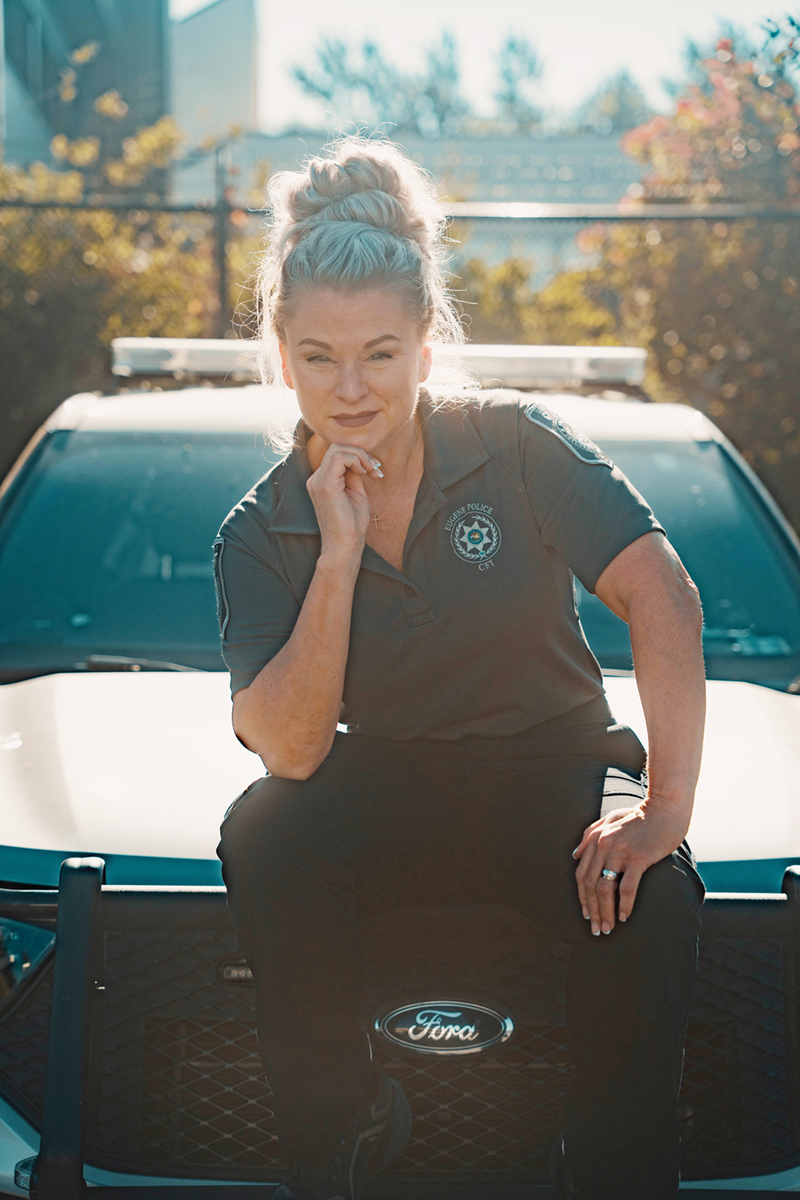
Janina Rager, Eugene Police Community Engagement Officer with the Eugene Police, is committed to educating people for their safety and well-being.