
Love from Greece – The Mediterranean Diet
As a child of Greek parents, I grew up assuming everyone ate steamed xorta (dandelion greens) drenched in olive oil with dinner. This, along with a salad of olives, tomato and avocado, dense wheat bread, and fish or chicken. We kids had no clue our future lives would be blessed with the benefits of what is now known as the Mediterranean Diet.
At 16, my father left his small Greek island family home to join his older brothers in Rhode Island. There, they worked to learn English while running a restaurant. It was post WWII, when meat, butter, and coffee were finally back on the menu, so no one cared about broken English. “Healthy eating,” however, wasn’t yet on anybody’s radar.
Flash-forward to 2024, when the American Cancer Society reported colorectal cancer was the leading cause of death in men under 50 and the second for women that age. Colorectal polyps form from a diet high in red and processed meat and low in fiber. Today, researchers attribute a rise in colorectal cancer among the young due to diet and ultra-processed foods.
For decades, scientists researched Mediterranean countries where people live exceptionally long lives. Sardinia, Italy has one of the highest concentrations of centenarians whose genetic makeup and lifestyle flow through generations.
Lifestyle includes strong family ties and a community with a positive mindset and traditional activities like sheepherding and working the olive groves. Islanders may not consider their daily work routines “exercise,” but steady labor keeps their bodies flexible, strong, and resistant to illness.
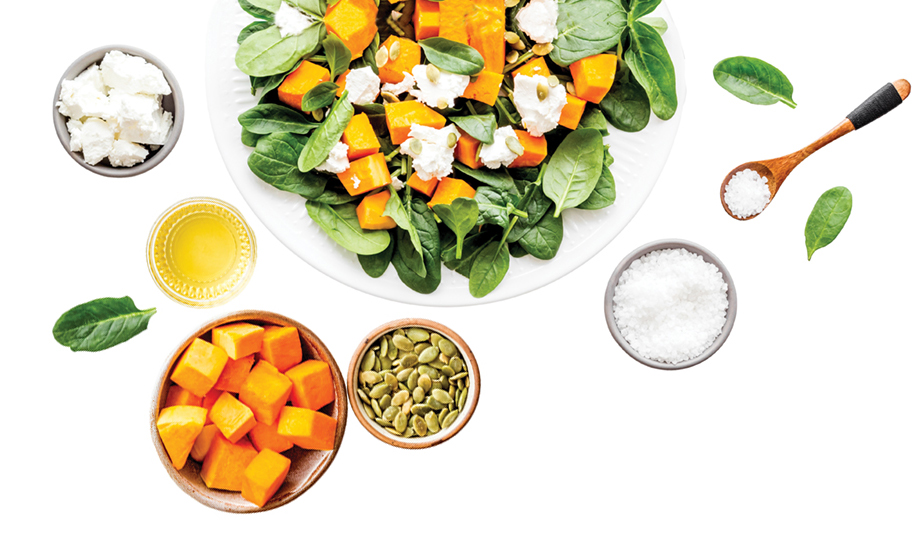
For centuries, these folks have been nurtured by land that produces an abundance of fruit, vegetables, whole grains, beans, nuts, seeds, and fish. Extra virgin olive oil serves as their main fat, and red meat and sweets are limited. This diet lowers the risk of heart disease and cancer while reversing symptoms of Parkinson’s and Alzheimer’s.
When my father eventually had his own restaurant, I often filled in for a waitress with a dental appointment or a hungover dishwasher. Watching my father cook, I learned to liven up dull dishes, like egg salad. Dad would chop celery including the leaves, toss in a few ground tamari roasted almonds, add a heaping spoonful of grated asiago cheese, and bind it all with avocado rather than mayo.
Dad’s childhood of pressing grapes and taking piglets to market belonged to a different time and place. Older and wiser, he loved relaxing at home and being creative with food. Sundays after church, he would prepare a spectacular brunch that might include scrambled eggs with pork tenderloin, feta cheese and green peppers, or buckwheat waffles with Canadian bacon. Pepper steak required filet mignon simmered with onions, garlic, green peppers, and several squirts of ketchup. I winced at the ketchup, but Dad was immune to the laws of gourmet cooking.
His legacy lives on. I still include barley, quinoa, or farro in meals for increased nutrition. Spanakopita and moussaka are Greek classics that I don’t tweak —their ingredients are fine as they stand. I sip a small glass of wine or combined pure pineapple and tangerine juice. No guilt when gelato or chocolate complements the meal.
Following Dad’s preference for high-protein breakfasts, I prefer swordfish or chicken, saving grains for dinner. Soon to be 80, I’m still bicycling, cross-country skiing, and swimming or rowing in the ocean.
Physical activity is as pleasurable as a plate with the wonderful elements of the Mediterranean Diet.
Give it a try — your endorphins will thank you.
Johanna Skouras
50plus Magazine
Johanna Skouras is a psychotherapist and author of the book Standing Up for Yourself/The Art of Self Assertion.