
When Spring Arrives Early Let Nature Guide Your Garden
All the sunny days we had this winter led to some early blooms. First arrivals included daffodils, and surprisingly, even a few roses. This sparked lots of curiosity and conversations in my gardening groups. The Q: Would spring be early, and if so, what tasks should be done in the garden?
Let’s look both below and above the soil, and what that will mean for gardening tasks.
With an unusually warm winter like this year, plants receive signals from the environment about the best time to emerge. These include daylight, air and soil temperature, and precipitation. A warm winter with more sunny days than normal leads to warmer air and soil temperatures. Bulbs of perennials like daffodils take this as a signal that it’s safe to emerge and the fear of a hard frost has mostly passed.
But just like us, plants can get tricked by unusual weather. For most in the Pacific NW, the last hard frost typically occurs between late March and mid-April. Placing some plants out a little too early — say basil — can mean the difference between a bountiful harvest yielding plenty of pesto, and plants struggling the whole season due to a chilly start.
Cleaning up too early can also harm the insect helpers in our garden. Many use dead stems and leaves for cover and protection during chilly spring nights. Removing these early eliminates their protective hiding places.
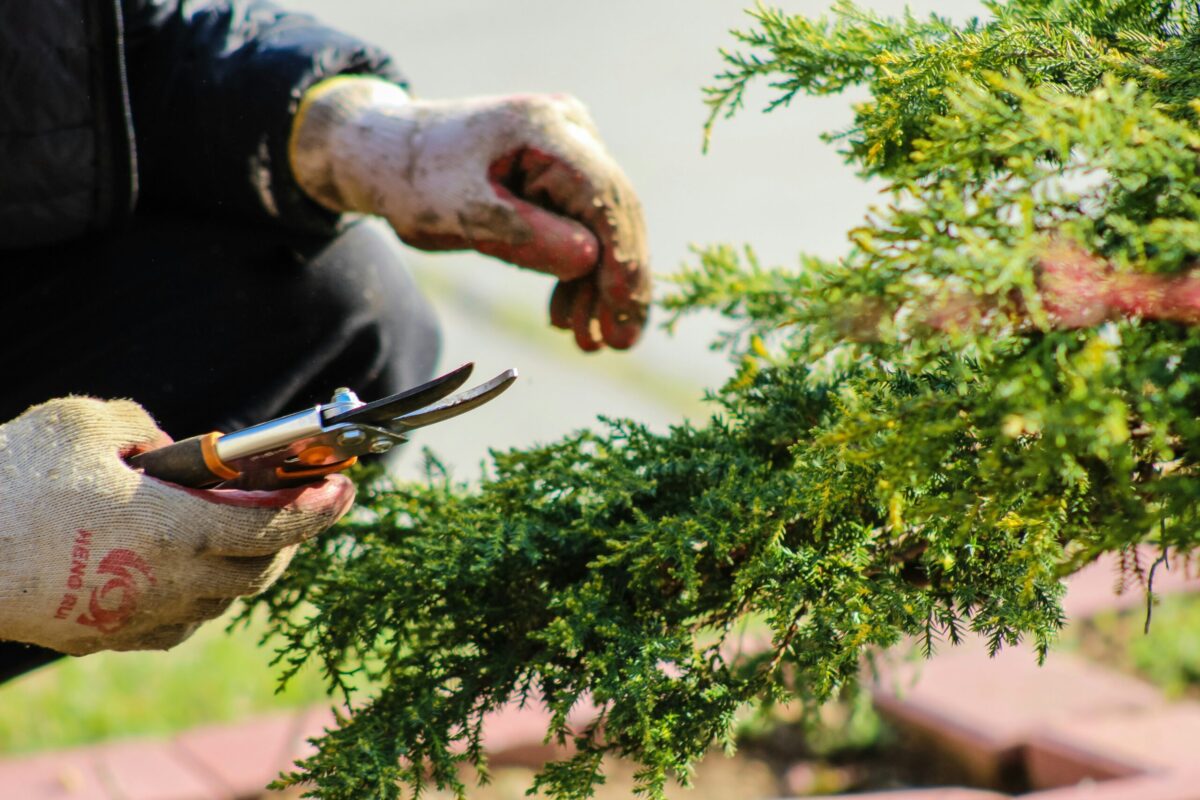
So, what’s an eager and excited gardener to do? Pace your cleanup and be intentional about what you cut and remove. Focus on dead stems and branches of shrubs and rose bushes first. Save removal of leaves and flower stems until days are consistently above 50 degrees to protect our insect friends (tip below for how to know without tracking the temp daily).
Even though tender plants like lettuce and basil are available in garden centers, wait to plant them until the last chance of hard frost is well past and the soil has really warmed up. While it seems like getting them out early can yield bigger harvests, it may actually stunt their growth and sometimes prevent them from ever really taking off.
Tip
Instead of relying on calendar dates, take a short walk through your garden space (no matter its size!). Notice which plants are waking up, what’s budding out or even blooming, and which areas feel warmer or cooler under your hands. Snapping a quick photo or making a simple sketch of your garden each week helps you track spring’s arrival and plan your tasks accordingly.
Here are some cues to look for when planning spring garden tasks:
• when daffodils bloom, trim your hydrangeas and other shrubs and bushes.
• when new growth starts to peek through the soil on your perennials, cut back stems
and remove old leaves around the base.
Over time, your garden becomes the guide, helping you know when to dive in and when to sit back.
Using Nature as our guide in the garden can bring joy as we watch buds emerge and blooms unfurl.
Following the cues of the living world gives practical success — and a quiet contentment in being part of its unfolding.
Erin Harwood
50plus Magazine
Erin Harwood is a PNW herb farmer, educator, and nature writer who shares plant wisdom, gardening insights, and mindful connection with the natural world.