
Finding serenity with adult ADHD
Jean Moule
50plus Magazine
As an aging person with a neurodiverse brain, I have some challenges. I share my experience in turning them into hidden strengths with the hope of helping others.
When I was a child in the ‘50s, the term ADHD didn’t exist. I suppressed my activity level with small fidgets and deep dives into imagination. Fortunately, like my son (ADHD is often inherited), I learned quickly. I did my homework on the school bus. Once home, I roamed the neighborhood by bike or roller skates to burn energy.
Later, researching ADHD to help my son, I discovered hints for myself. Internet videos and articles made me laugh in recognition. I felt understood and validated for my challenges and choices over decades.
A typical 20 minutes of activity for someone with ADHD may look like this:
A thought: “Water. Seniors especially, need to hydrate, drink more.”
I grab a glass from the kitchen and head to the cooler in the utility room for water.
Wait, there are clothes in the dryer. Better fold them.
Taking the folded towels to the bathroom where my foster kittens live, I notice they need water, too.
Oops, their kibble is spilled. Better get the broom.
They’re so sweet, must give each a cuddle. Hmm, ugh, time to clean that litter box.
Heading out to change the litter, I might as well take out the garbage.
Yipes, need to scrub the litter box, let it soak.
Hmm, now that the hose is running, those flowers need some water.
Wait, what was I doing in the first place? ….
I focus and retrace my steps, completing most tasks as I go.
I breathe deeply, get that glass of water, and continue my twisted and unique life path.
**
ADHD often leaves me in a connect-the-dots state. And while sometimes I accomplish quite a bit quickly, as I age, my comfort with multitasking has lessened, leaving things undone or partially done. Still, I am thankful for the time and energy I do have.
I’ve learned strategies. Task reminders left in weird, visible places help. Low on toilet paper? Leave an empty roll where it doesn’t belong. I notice and complete the task. This “item-out-of-place” helps with tasks too mundane for a to-do list.
Morning checklists help too. While 30 items seem like a lot, scanning them is quick. The list includes things I easily forget, like daily meds, or my online wordle game with family. A third of the items are not things to do, but character qualities to embrace each day. My favorites include friendship connections, volunteer efforts, and kindness to myself and others. Also on the list: “Did I say no? Did I ask for help? Did I take care of myself?”
While gratefulness and lists can help with focus and tasks, there are other simple ways to help manage physical and mental activity levels.
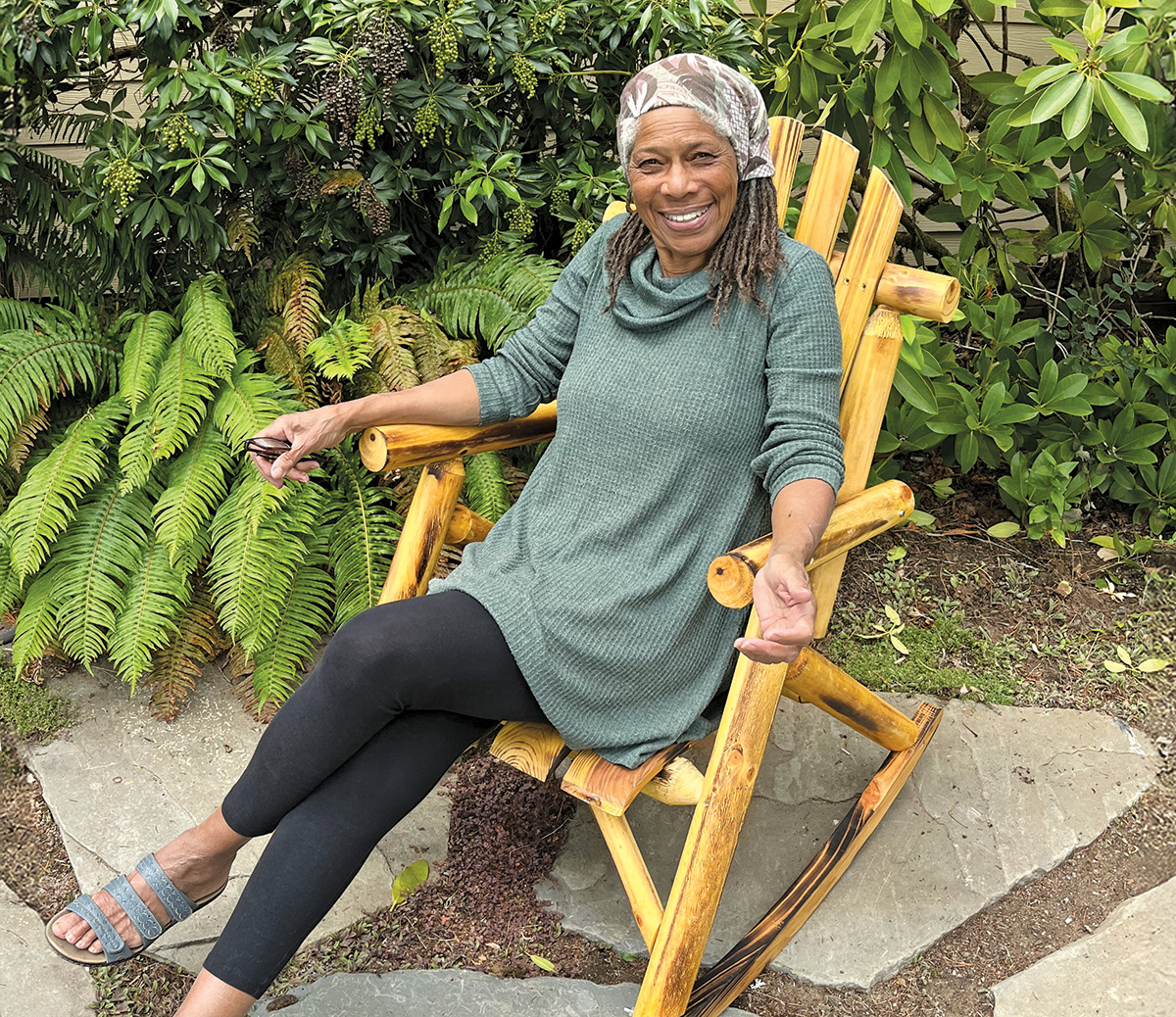
One that fits us seniors well: a rocking chair. When we rock, we experience “stimming” — self-stimulatory behavior — which occurs with unconsciously repeated movements. With ADHD these actions can improve focus, channel energy, and soothe. For some, even sounds help them self-regulate and concentrate.
I’ve realized some of my preferences are based on my ADHD. When attending shows/events, I choose the aisle seat or an empty back row so I can move around without disturbing others. In a restaurant or bar, I like stools so I can move my feet to calm myself.
Do you, or does someone you love, fidget, move constantly, or talk non-stop? If so, be patient; keep in mind that movement can help self-sooth and channel energy. Give them (or yourself) time to focus. Beware asking yourself or your companion to “stop fidgeting” or “pay attention” as it can cause frustration on both sides.
Imagine walking into a carnival with barkers, rides, balloons, and happy, screaming children. Both exciting and distracting, this is a good example of what goes on in the brain of those with ADHD.
By managing their focus or movement, they are better able to focus their attention as needed. Likewise, accepting such coping mechanisms kindly is a gift — to those affected by ADHD as much as those who care about them.
The alternative is competing with the carnival.
Jean Moule is author of Seeking Warmth and Light and Canyon Survival: Escape from the Flames. Both are available through Amazon. See her art at www.jean-moule.com.
Adult ADHD FACTS
*In 2023, an estimated 15.5 million (or 1 in 16) US adults had an ADHD diagnosis. — CDC
*Many adults with ADHD aren’t aware they have it — they just know that everyday tasks can be a challenge. Almost everyone has some symptoms similar to ADHD at some point in their lives. If your difficulties are recent or occurred only occasionally in the past, you probably don’t have ADHD. It is diagnosed only when symptoms are severe enough to cause ongoing problems in more than one area of your life [beginning in early childhood]. — The Mayo Clinic