
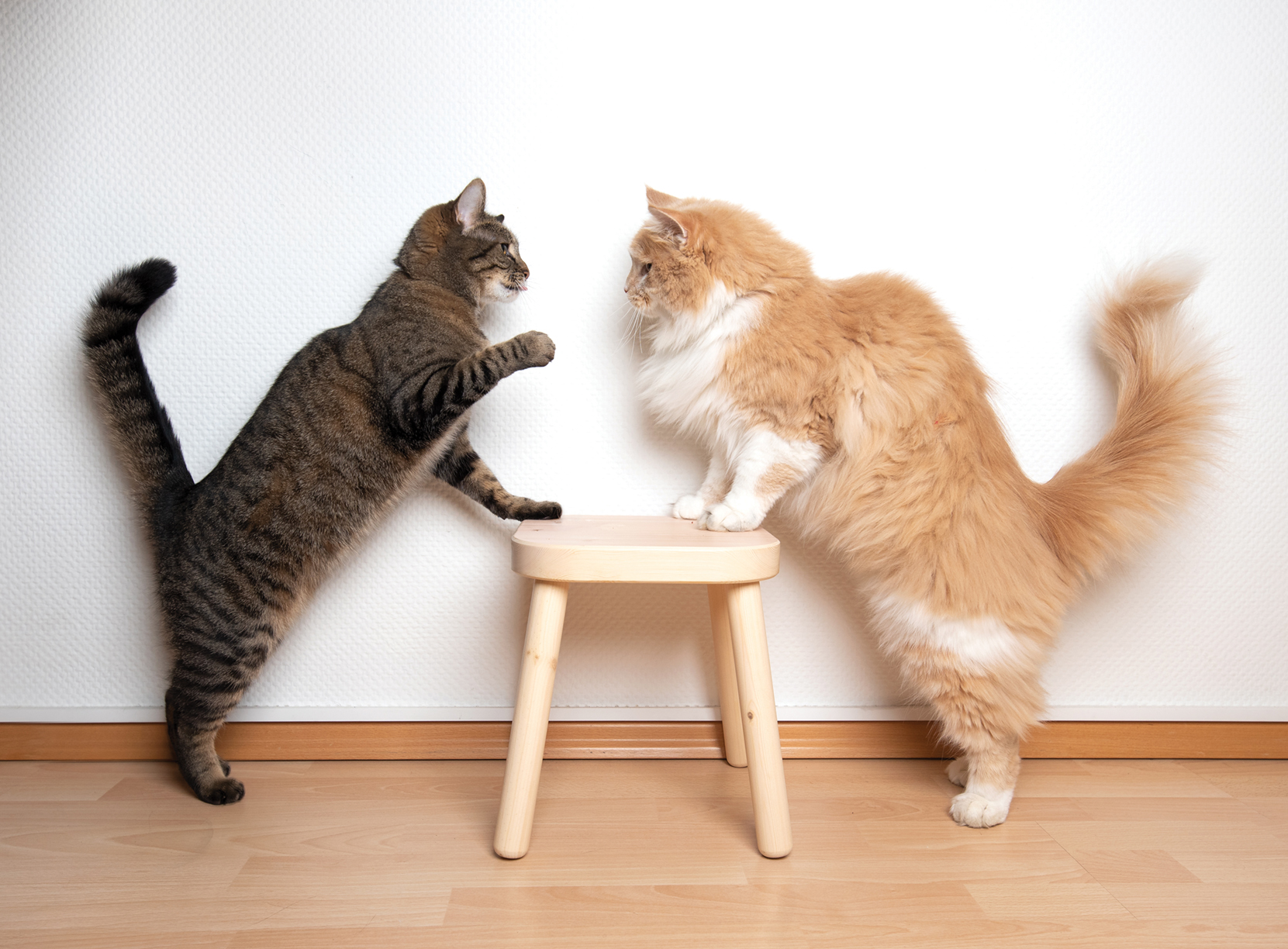
Cat Fight!
A quote from Michelangelo hangs near my desk. It reads:
“I am still learning.”
That truth just became reality. It happened like this.
I’d broken my collarbone, and lifting restrictions kept delaying Petra Bella Luna’s vet and grooming appointmentS. Finally, I was able to get my long-haired beauty in for much-needed attention.
The office is a long drive from my “a few deer trails off the beaten path” location. While Petra got pretty, I wrapped up Christmas errands before the long drive back.
Once home, Petra sniffed around, inspecting “her” house. Then Bat (aka obnoxious little brother) came upstairs. He hissed, making a wide arc around Petra. No biggie — I’d seen initial kitty grousing between them in the past, typically resolving quickly.
But two hours of tension later, a muttering, yowling Bat huffed back downstairs. This was different.
By bedtime, things still felt sketchy. I was hopeful until a tremendous yowl was followed by all hell breaking loose in the next room. Bat was in an aggressive posture, opposite a shaking Petra. Fur had flown. I shooed Bat away (that was WRONG, potentially agitating him even more).
Scooping up Petra, I hustled into the bedroom, closing Bat out for the night. I felt guilty but someone was likely to get hurt. I stayed awake reading, finding something called Feline Non Recognition Aggression (FNRA). Yup, it’s a thing.
FNRA can last hours or even months. Sometimes the breach between well-acquainted cats — including littermates — just won’t mend. Some cats even get rehomed. Slow reintroductions like those used when bringing home a new cat might be needed.
It’s a smelly situation. Cats recognize their “tribe” by scent, not sight. If the scent doesn’t match what they see, they don’t believe their eyes. Weird.
Grooming and vet visits mean human smells from staff, disinfectants, shampoo, and even possibly the returning kitty’s stress pheromones — which all signal the offended kitty that danger’s afoot. Even nature can trigger FNRA — one kitty goes outside, coming back with new smells on board.
Suddenly past experience had nothing to do with what was happening between Petra and Bat now.
Deterring FNRA is better than trying to fix it afterwards.
Have two cats? Take both to appointments to bring home the same smells. Try vanilla on kitty’s noses to help obscure “off” smells when kitties are reintroduced. One cat owner used canned tuna water. Wiping down both cats with it leveled the olfactory playing field. Once her cats finished bathing themselves, tempers had evened out.
Before travel, rub kitty with a towel. Repeat upon return to “reseed” the normal smell. Keep cats separated at least a few hours, allowing the traveling cat to pick up normal smells of home.
My go-to is Feliway spray on sleep areas, cat trees, and so on. Also diffusers: adding more plug-ins can help. Rescue Remedy is another option.
If the agitation persists beyond a day, call your vet. Medication might help. Patience is key. I brushed “clean” Petra with her well-used pre-bath comb, then used it on Bat. A lot. If you have multiple cats, brush the traveling feline before and after the vet or groomer to reseed the familiar smells of home.
Be especially aware of timid or nervous cats; they seem more apt to respond to their friend’s unfamiliar smells with fear or defensiveness.
Hopefully, you won’t ever need this information, but as they say, knowledge is power.
And as Michelangelo’s quote taught me, we are all still learning.
Christy Doherty
50plus Magazine
At her home office “a few deer trails off the beaten path,” Christy Doherty writes about animals and extraordinarily kind people.